

.svg)
.svg)
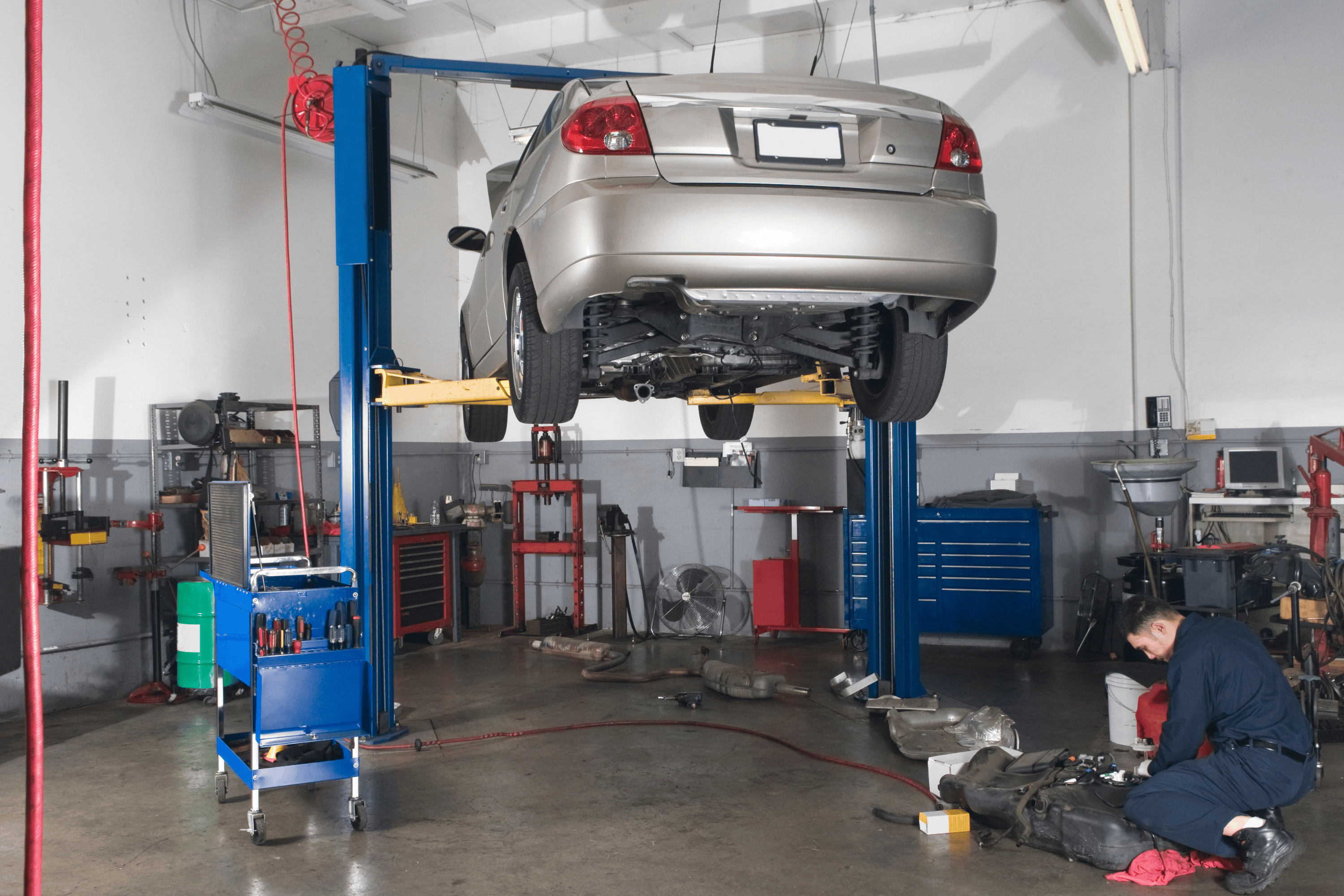

Car repair insurance covers major mechanical failures, not accidents or wear. Learn what's included, excluded, and if it's right for your car.
Car repair insurance covers major mechanical failures, not accidents or wear. Learn what's included, excluded, and if it's right for your car.
If you’ve ever turned the key, heard a new noise, and thought, “Please don’t be expensive,” you already understand why car repair insurance exists. Cars don’t break down on schedule, and repair shops never seem cheap. This kind of coverage helps with the bills when something important inside the car gives out, the sort of failure that isn’t caused by an accident but still stops you in your tracks.
In this guide, we’ll unpack what car repair insurance really covers, how it differs from your regular auto policy, and how it can save you serious money the next time your car decides it needs attention.
Put simply, car repair insurance, sometimes called mechanical breakdown insurance, covers fixes to your vehicle’s internal systems when they fail during normal use due to a sudden mechanical breakdown. That’s different from your standard auto policy, which handles collisions, theft, and weather damage. Car repair insurance helps when the parts inside the car break down.
If your transmission starts slipping, or your air conditioning dies in August, having repair coverage means you pay the deductible and the provider covers the rest of an approved repair. You can add this as an endorsement to an existing auto policy, or if your insurer doesn’t offer it, you can explore a third-party vehicle service contract instead. If you want a quick refresher on what comprehensive coverage handles, see this explainer about comprehensive car insurance from Business Insider.

People use these phrases interchangeably, but they’re different tools for different situations.
This is an insurance product sold by licensed carriers. It pays for mechanical failures during normal use after you meet your deductible. Because it’s regulated like other insurance products, claim handling follows standard insurance rules. This type of coverage is sometimes called mechanical breakdown insurance.
The vehicle manufacturer offers an extended warranty, which prolongs the factory warranty for a specific period or mileage. It's not an insurance policy; it's a contract with the manufacturer.
A dealer or a third-party provider gives you a vehicle service contract, or VSC. It's not really insurance, but it works like one by covering certain parts and repairs after the factory warranty runs out.
In short, car repair insurance often fits newer cars that meet eligibility rules. A VSC or extended warranty may make more sense for older or high-mileage vehicles. If you want a side-by-side, Chaiz has a clear breakdown of car warranty vs. car insurance.
There are tiered options, so pick what matches your car and wallet.
Before you buy, check eligibility rules. Some insurers limit coverage to vehicles under a certain age or mileage.
A strong car repair insurance plan targets the dollar-eating parts of your vehicle. Coverage varies, but most plans cover these systems. Note that providers differ, so always read the specific contract.
Remember this: these repairs can cost thousands. With proper coverage, you typically only pay the deductible, and you avoid paying the entire repair bill yourself.
Policy extras are where plans surprisingly add value. Here are the details many people miss.
These inclusions often determine how smooth the repair experience is. They reduce surprise costs and speed up service.

Knowing what’s excluded prevents nasty surprises.
Read the policy, then check this list to see common exclusions.
If you want to double-check where your standard insurance leaves off and repair coverage begins, Chaiz’s post on does car insurance cover mechanical problems explains the boundaries.
This is the section people skip, then regret. Good documentation and the right shop make claims painless.
Here’s the straightforward process you should expect.
Here's a tip: if the repair cost is close to your deductible, you may decide to make the payment yourself to avoid potential premium impacts or unnecessary administrative time for a small claim.
Gather these items before you call the insurer.
Organized paperwork speeds claims and reduces back-and-forth. That helps you get your car back faster.
High deductibles, coverage ambiguity, and provider shop limits are the usual pain points. If deductible math confuses you, read Chaiz’s explainer on how car warranty deductibles work. Stay calm, supply the requested maintenance proof, and your claim will usually resolve.
If your car dies on the freeway, you aren't concerned about policy clauses; you want help now. Roadside assistance insurance gets you moving or towed safely.
What roadside assistance typically covers:
Friendly reminder: a single tow can cost more than a year of roadside coverage.
Car repair insurance covers the mechanical fix, while roadside assistance transports you to the shop. Many manufacturers include roadside coverage on new cars, and for older cars, AAA and other clubs provide low-cost plans.

You will see mechanical breakdown insurance abbreviated as MBI. It is simply another label for car repair insurance, commonly used in insurer documents and state filings.
Major carriers sometimes restrict MBI to newer vehicles. For example, some policies only apply to cars under a certain age or mileage. If your vehicle doesn’t meet those rules, you can compare third-party protections using the Chaiz quote tool.
Before reviewing the list, understand that MBI is designed to eliminate significant repair cost surprises.
The idea is simple: protection converts a stressful emergency into a manageable expense.
Car insurance handles accidents and external damage. Mechanical breakdown insurance handles internal failures that happen in normal operation. As Cassie Sheets from Insurify says, "Car repair insurance isn’t the same as collision or comprehensive insurance. It works as an addition to a standard policy rather than a replacement,"—Cassie Sheets, data journalist. Use both, and you have full protection inside and out.
Short answer: not the kinds of mechanical failures we just talked about. Standard auto policies cover accidents, vandalism, and weather events. For internal parts that wear out, you need car repair insurance or a VSC.
Some providers offer maintenance plans that spread routine costs into smaller payments, helping with oil changes, inspections, and tune-ups. It is different from repair insurance for cars, which only pays when something breaks.
A VSC (Vehicle service contract) is a contract you buy from a dealer or third party to cover repairs after the manufacturer’s warranty ends. It’s not technically insurance, but it operates similarly by paying for covered repairs.
Here is the practical truth. If you depend on your car every day, the right plan can save serious money. Typical annual premiums run from roughly $100 to $500, while deductibles often sit between $200 and $500. One transmission or engine repair can wipe out a year or two of premiums in a single visit. For many drivers, car repair insurance pays for itself after one major claim.
If your vehicle doesn’t qualify for insurer MBI, a vehicle service contract through Chaiz is a good alternative for older or high-mileage cars. For more on what people get wrong, read Chaiz’s piece on common misconceptions about repair warranties.
Breakdowns throw off your plans and your budget. Car repair insurance gives you a way to face those problems without panic. Pair it with roadside assistance insurance and sensible maintenance, and you have the kind of coverage that keeps life moving.
Compare options and get real quotes at Chaiz so you can pick the plan that fits your car and how you drive. That way, when a warning light finally appears, you don’t sweat the bill.

Live quotes in <10 seconds
Best-price guaranteed

5K+ customers trust us


