

.svg)
.svg)
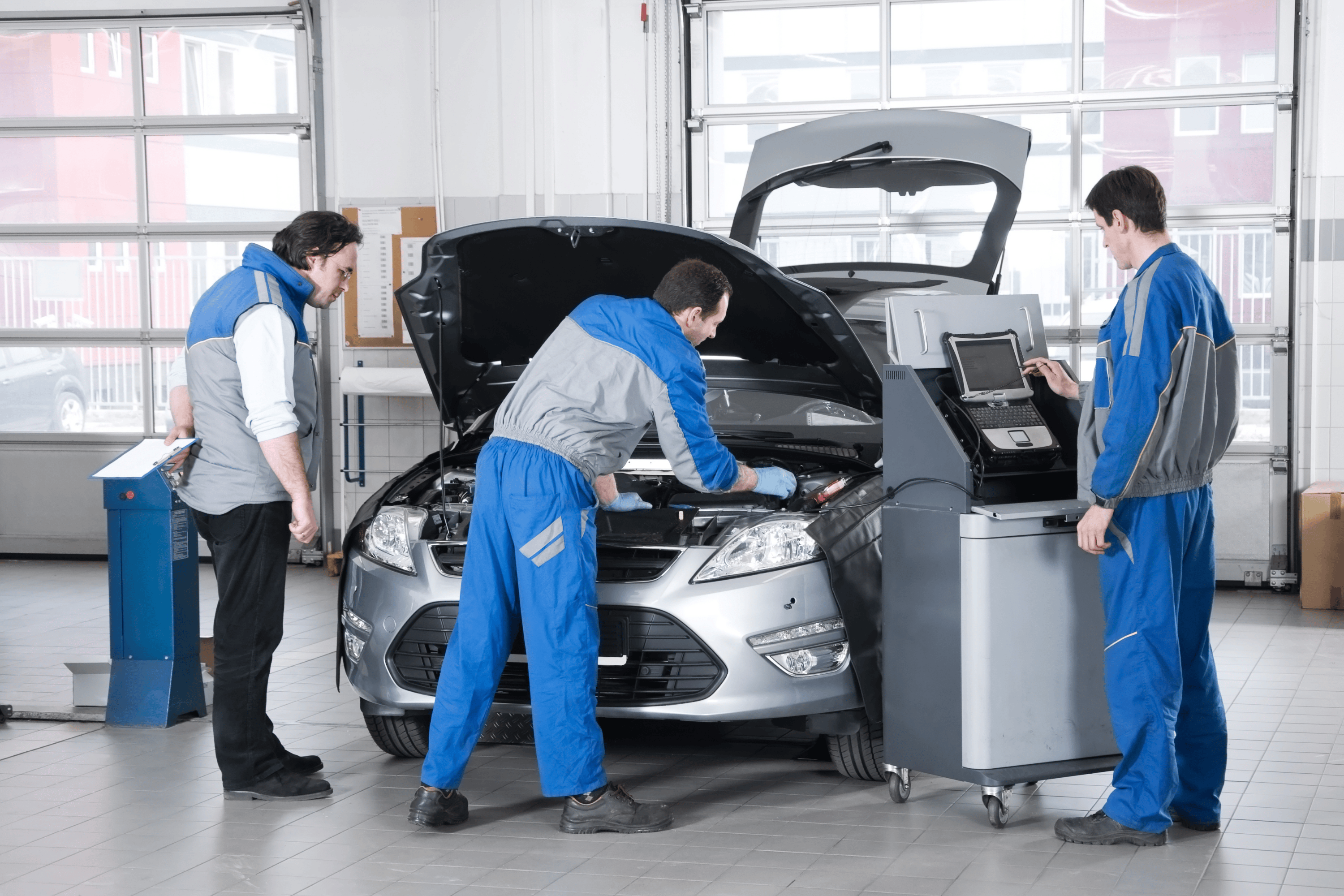

Explore expert insights on what does car servicing involve? to drive smarter and stay informed.
Explore expert insights on what does car servicing involve? to drive smarter and stay informed.
Many drivers hear reminders like “You’re due for a service” without ever stopping to think about what that actually involves. It’s easy to assume a car service is just an oil change or a quick once-over, but that’s only a small part of it. If you want your vehicle to stay reliable, safe, and efficient, it helps to understand what it means to get your car serviced in a complete sense rather than as a vague chore you fit into your calendar.
Car servicing is the ongoing care that keeps the engine clean, the brakes responsive, the fluids in good condition, and the whole system working the way it was designed to. When you understand what it means to get your car serviced, it becomes clear why skipping appointments almost always costs more later. Servicing doesn’t fix problems. It stops them from growing.
Most people use their vehicles every day, often without thinking about what that constant use does to the components under the hood. Fluids degrade, filters clog, rubber hardens, and electrical parts start to lose sensitivity. A car maintenance service resets a lot of that quiet wear. It gives the car a chance to continue performing properly instead of drifting toward a breakdown you weren’t prepared for.
When someone asks what servicing a car means, they’re really asking what happens during the visit and why it matters. In simple terms, servicing a car means a qualified technician inspects important systems, replaces fluids and filters that have worn down, checks safety-critical components, and looks for early signs of trouble. It’s preventive work that keeps small issues from becoming large ones.
What does it mean to service a car beyond that? It means you’re giving the mechanic a chance to catch things you’d never see from the driver’s seat. It also means reducing long-term costs. Repairs are unpredictable. Regular servicing helps you avoid the worst of them. If you’d like to see how repairs and protection work together once manufacturer coverage ends, Chaiz explains it clearly in What Is a Vehicle Service Contract?.
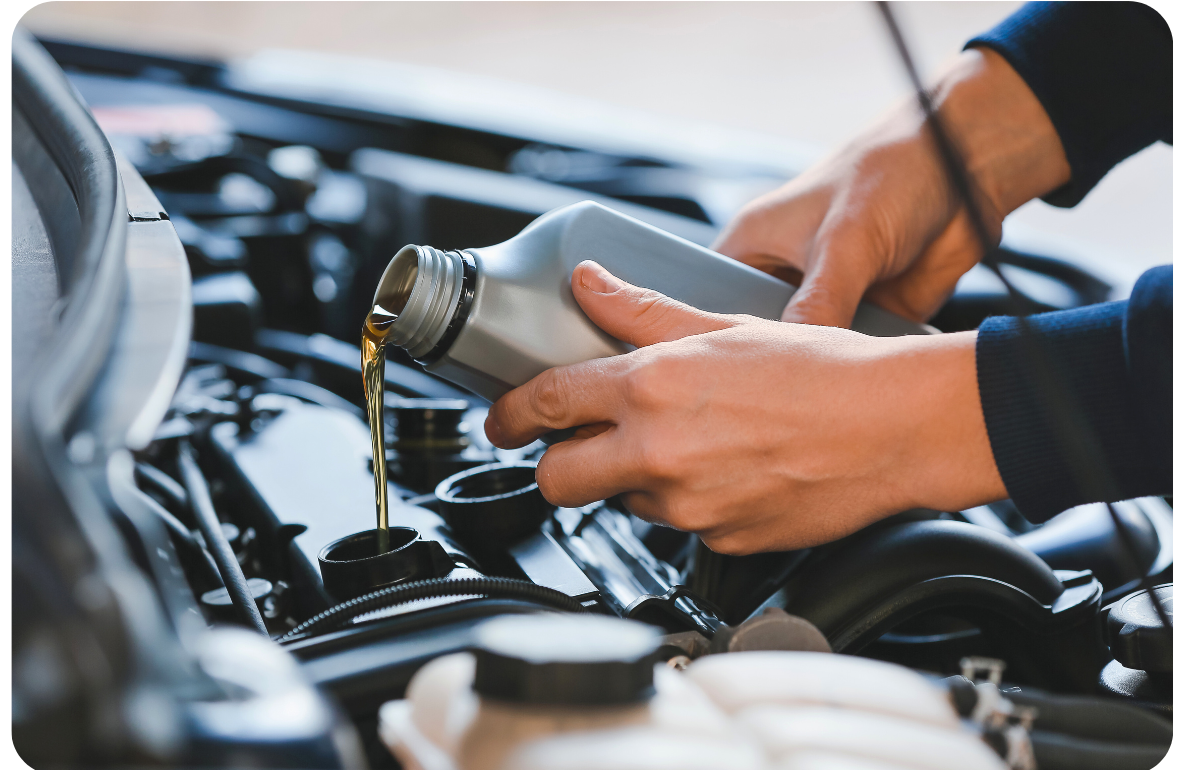
Workshops describe their service levels differently, but the basic categories tend to be the same everywhere. Knowing the difference helps you decide what it means to get your car serviced in the way that fits your vehicle.
This is a short-interval visit that focuses on essential upkeep. It usually includes an oil change, new filters, fluid top-ups, basic safety checks, and a quick look at tire wear. Drivers who rack up serious mileage benefit from this because it prevents small issues from building up too quickly.
This is the deeper annual inspection most drivers rely on. A full service includes everything in the basic package plus detailed checks of the brakes, suspension, electronics, belts, hoses, and sometimes more advanced components. This service gives technicians time to spot early signs of wear that would otherwise go unnoticed.
This is the most comprehensive option. It happens every two years or at higher mileage intervals. A major service may involve spark plugs, brake fluid, air and fuel filters, and sometimes transmission fluid, depending on the manufacturer’s recommendations.
It’s the service that tends to prevent the biggest failures. If your vehicle covers long distances each year, the information in Best Extended Warranty for High Mileage Cars is worth looking into.
If you’ve ever wondered what happens in a car service, the answer is broader than many people expect. A technician might work through:
A car service explained properly shows that the road test is just as important as the tools. A trained ear can pick up faint vibrations, hesitations, or noises that point toward developing issues.
Servicing supports the vehicle in three major ways.
Old oil can damage an engine, thin brake pads can ruin rotors, and clogged filters can cause problems in systems that rely on airflow or fluid movement.
A full service history tells buyers the vehicle was cared for.
Fresh fluids, healthy brakes, and proper tire pressure all contribute to safer driving.
If you’re thinking about long-term reliability or budgeting for repairs, check out Are Extended Car Warranties Worth It?
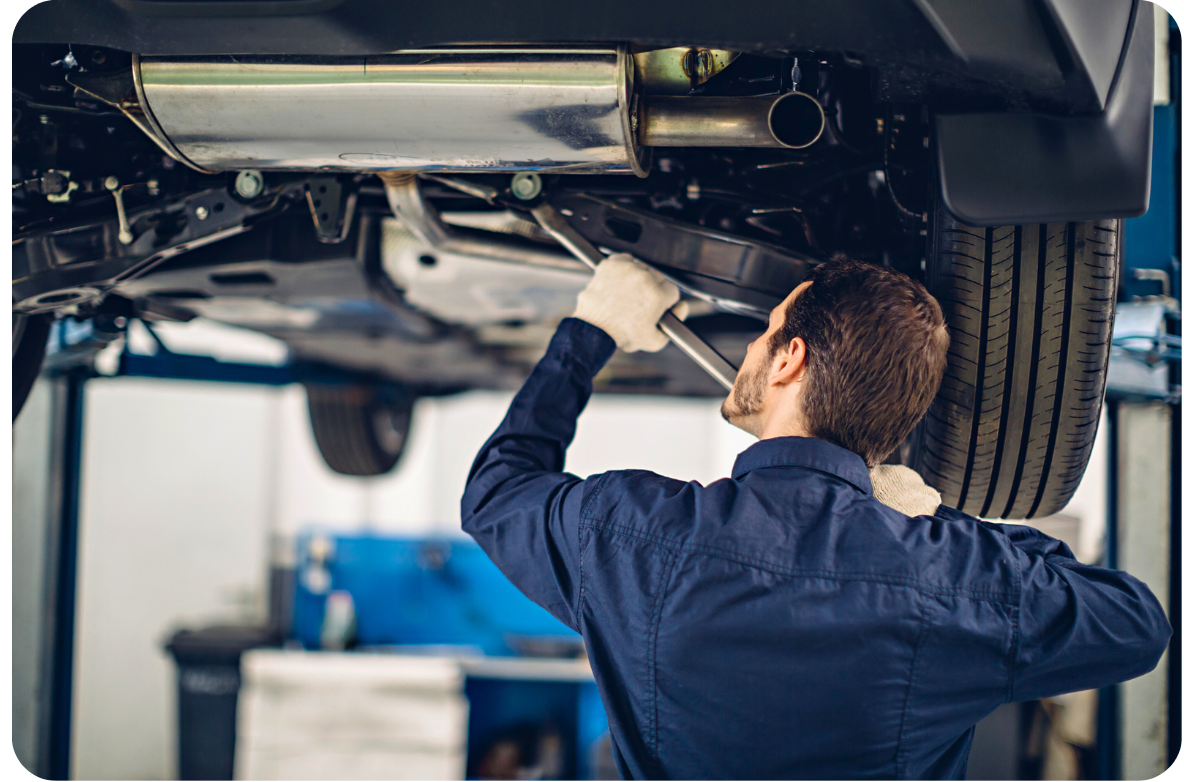
Most vehicles follow a predictable pattern:
Being early is harmless. Being late often isn’t. If you enjoy long-distance driving, you may want to explore how you can find the best extended car warranty.
It helps to think of servicing as prevention, repairs as correction, and protection plans as financial backup.
Most drivers eventually need all three. Even well-maintained cars can develop electrical issues or component failures. Chaiz explains how these roles differ in Car Warranty vs Car Insurance.
A good workshop will:
• Communicate clearly
• Explain what matters and what doesn’t
• Use proper equipment
• Document service history
If you want a sense of what coverage looks like beyond servicing, Chaiz gives a clear overview in What Is Covered Under a Warranty Contract.
Understanding what it means to get your car serviced helps you take better care of your vehicle and avoid preventable issues. When you understand the process, it becomes a smart habit, not a chore. Consistent servicing improves comfort, safety, and long-term performance.
And when you want protection for the repairs that servicing can’t prevent, Chaiz lets you compare vehicle service contracts quickly so you can choose the right level of coverage for your budget.

Live quotes in <10 seconds
Best-price guaranteed

5K+ customers trust us


